Case study 01
CFO with no predecessor
Elected CFO of a $3M ARR student org that fed and housed 400 students on campus — with zero handoff, during a reopening that came with a $1.6M rent shock.
- Role
- Chief Financial Officer
- Revenue
- $3M ARR
- Students fed & housed
- 400
- Rent increase
- $1.6M
Situation
A role with no one left to teach it
OSCA — the Oberlin Student Cooperative Association — is a student-run nonprofit that owns and operates housing and dining services for 400 students at Oberlin College. It had just come out of a year-long COVID furlough. Because a student cooperative turns over its entire membership every few years, OSCA lost roughly half of its institutional memory during the pause — including all but two of our previous leadership team. The people who knew how the finances and daily operations actually worked were gone.
Beyond that, the workflows we had built were in many cases no longer relevant. A newly negotiated rent contract fundamentally redefined OSCA's 75-year relationship with Oberlin College and raised our rent an unprecedented $1.6M.
I was elected Chief Financial Officer into that gap — no predecessor, no overlap period, and an existential need to adapt operations and enrollment to the new contract. My job was to build the structures necessary to train, onboard, and support a new class of staff in returning OSCA to operations. After all, OSCA is a cooperative housing network that 400 students depend on for food and housing each year. If the budget didn't work, my friends and neighbors would not get fed.
The problem
Three challenges stacked on each other
Stepping into a role with no one left to teach it.
First, I had to reconstruct the CFO role itself — what it did, what it owed the membership, what the annual cycle looked like — out of outdated documents left on an old server, with no mentor to check my reasoning against.
Adapting cashflows to a $1.6M rent shock.
Second, and at the same time, the entire financial model had to adapt to a rent increase imposed unilaterally by a landlord with total leverage. Oberlin College owned the buildings; OSCA had no alternative housing stock and no real ability to walk away.
Reviving culture and restoring operations after a yearlong furlough.
In order to restart OSCA and ensure a successful operational year, we had to build onboarding infrastructure for an organization whose daily operations depended on roughly 200 volunteers, spread across 40 distinct roles in five semi-autonomous communities — all within the first three weeks of the semester.
What I did
Three decisions that mattered
I invested ~200 hours writing training documentation before the crisis hit, instead of learning reactively. It was tempting to treat the rent contract amendments as the only real work and figure out the rest as it came. I did the opposite: I spent the early months reconstructing and consolidating everything on the role, its calendar, and its decision rights, so I could hit the ground running once the semester started.
I built durable infrastructure rather than personally absorbing the crisis. The fastest path through the year would have been to centralize everything on myself. Instead I built a treasurer training program for house-level financial officers, redesigned the joint finance committee around a project-based system and policy development pipeline, and collaborated with our alumni working group to run a 4-day retreat that brought staff up to a common baseline. Slower in the moment — but the only version that survives a member turning over.
I made calls I knew would be unpopular, and named them as trade-offs. Negotiating against Oberlin's lawyers made the asymmetry plain: they had a billion dollar endowment and a team of corporate lawyers; meanwhile, we, as students, had our grit, determination, and a semester term to deliver on our objectives. I had to accept terms I didn't like in order to reopen on schedule, then go back to membership and defend a budget that raised what people paid. Some members were angry — and reasonably so. I chose to be specific with them about what we were buying with that increase rather than soften the number.
Outcome
The systems outlived the crisis
Four years later, OSCA still runs on the finance committee, treasurer training program, and scholarship policy I built during the crisis. Six treasurers trained through that program in its first year alone — learning budgeting, financial management, and recordkeeping from a curriculum OSCA still uses to onboard treasurers now.
OSCA absorbed a $1.6M rent increase without running a deficit or closing a co-op. I raised member dues to cover the real cost of operating under the new lease, then personally drafted and passed a revision to the OSCA Foundation's scholarship formula so aid caught up to the new dues before the increase hit lower-income members hardest. A second, larger revision — rewriting the scholarship application itself — passed later that same semester, and both are still the policy OSCA runs on today.
What it taught me
You build the space so people can do the work
The thing that made the year survivable wasn't my own effort — it was every structure that let other people be effective without me in the room. This was the flashpoint for my interest in how organizations and human capital management shape the experiences of the people inside them: the job isn't to absorb the difficulty, it's to build environments where capable people can actually thrive, especially when the conditions are bad.
Artifacts
The actual materials
The documents and training materials I built during that year — made for real members, under real time pressure.
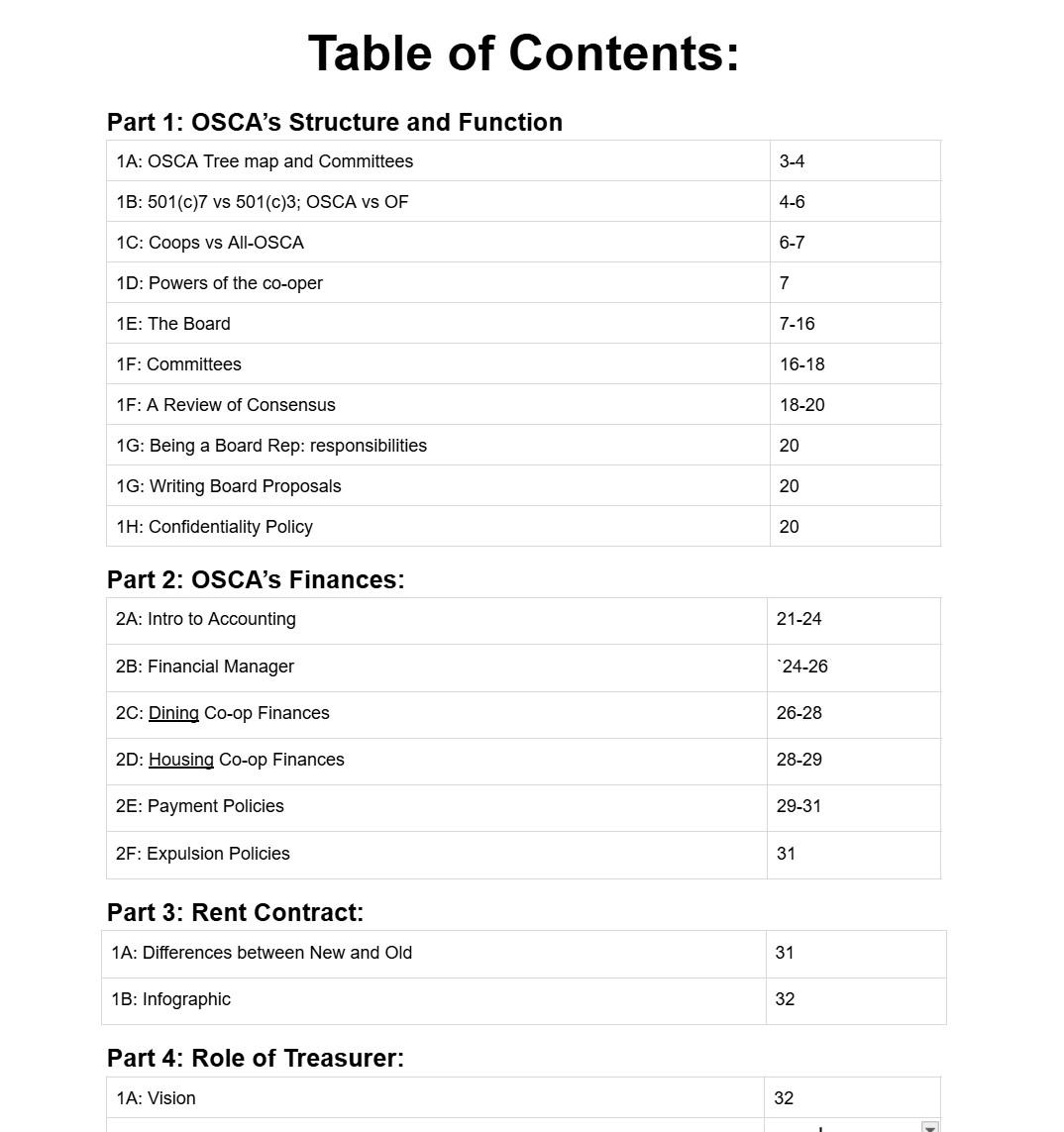
Self-taught CFO research syllabus — table of contents
The syllabus I wrote to structure the research that replaced the training I never got: structure, finances, rent contract, and the role itself. Later restructured into a handoff document for my successor.
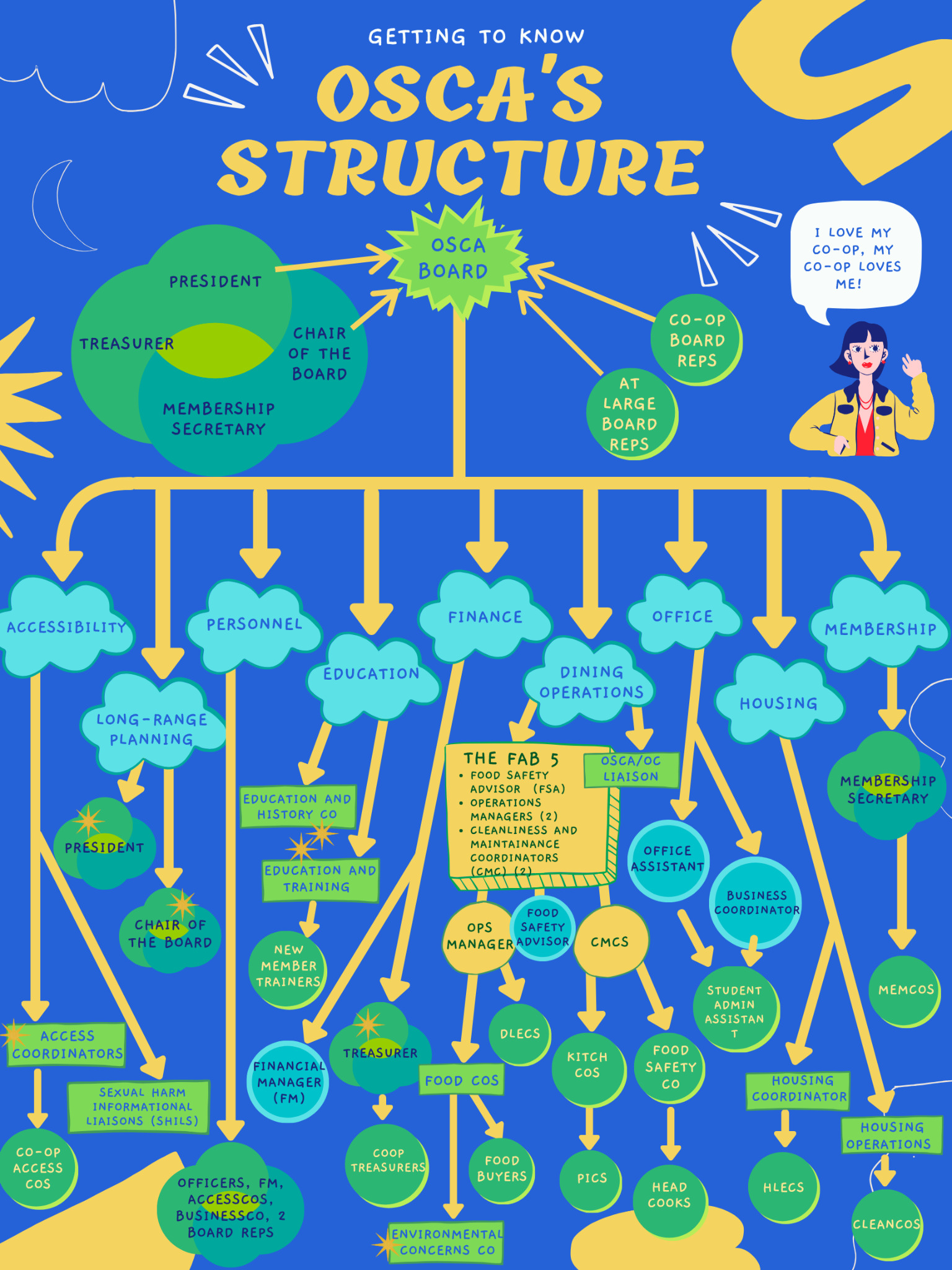
“Getting to know OSCA's structure” infographic
Made to help new members navigate 40 roles across five communities after the org lost half its institutional memory.
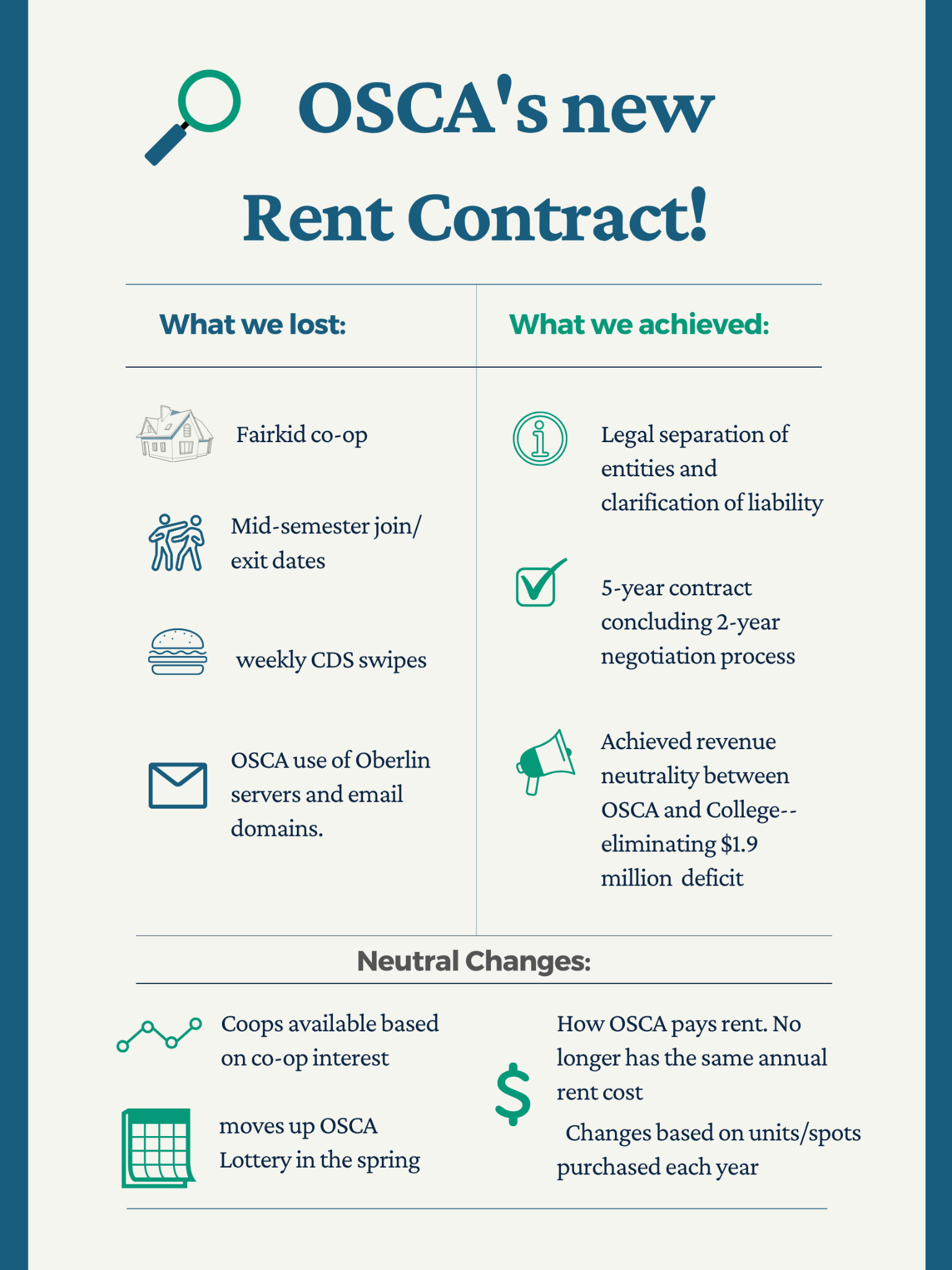
Rent contract explainer for membership
The plain-language breakdown of what the new contract cost, what it won, and what changed — built for a dues vote.
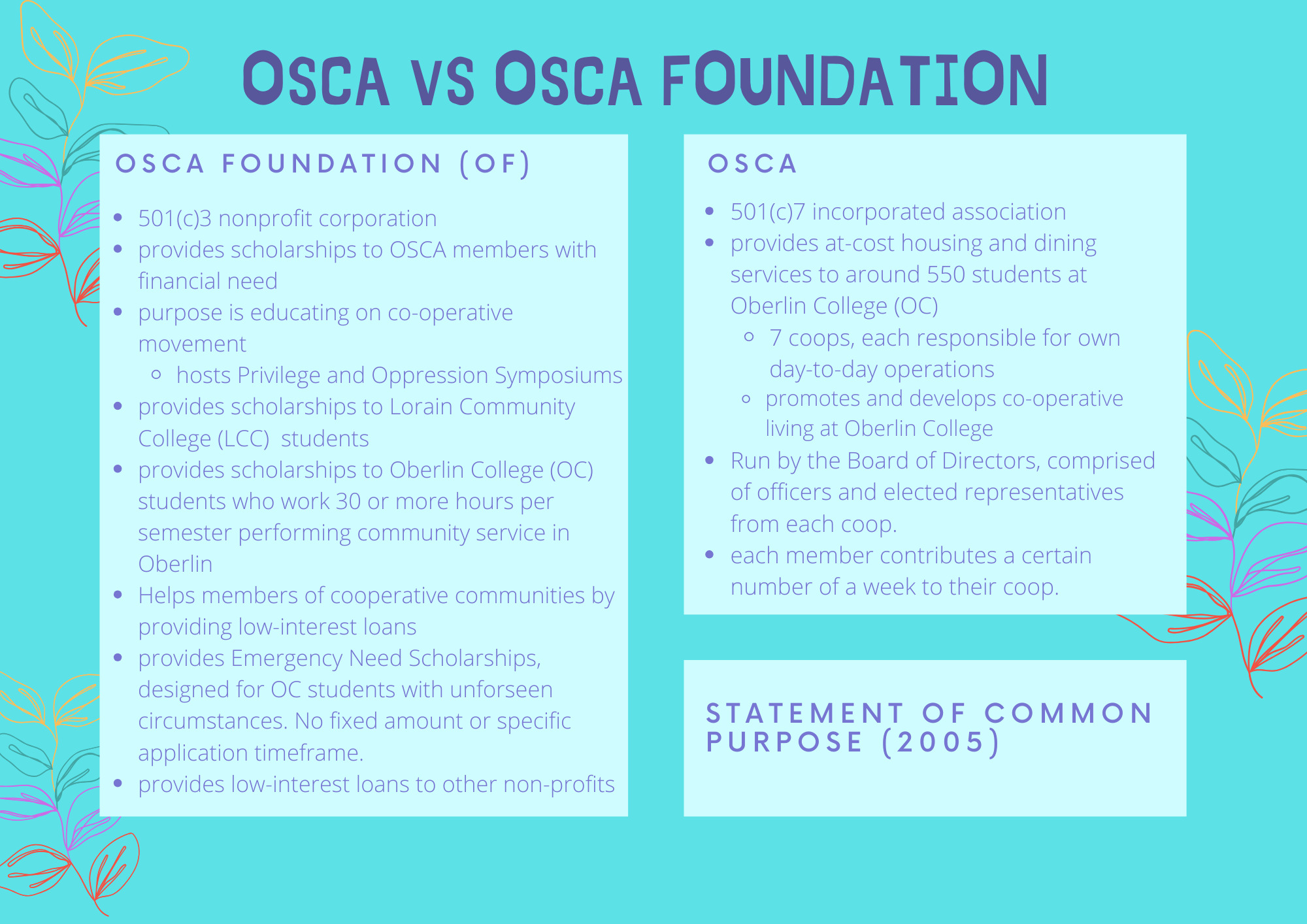
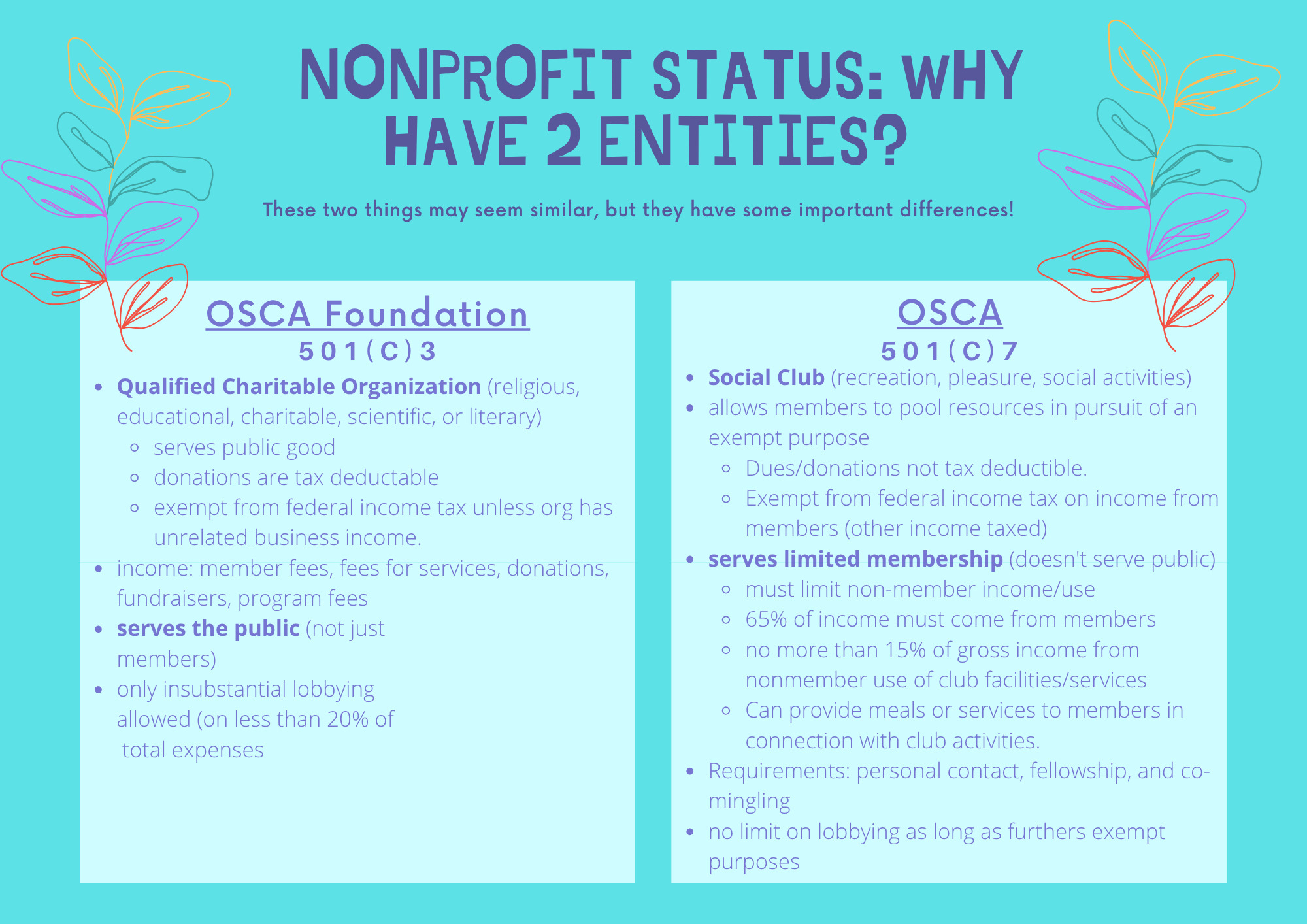
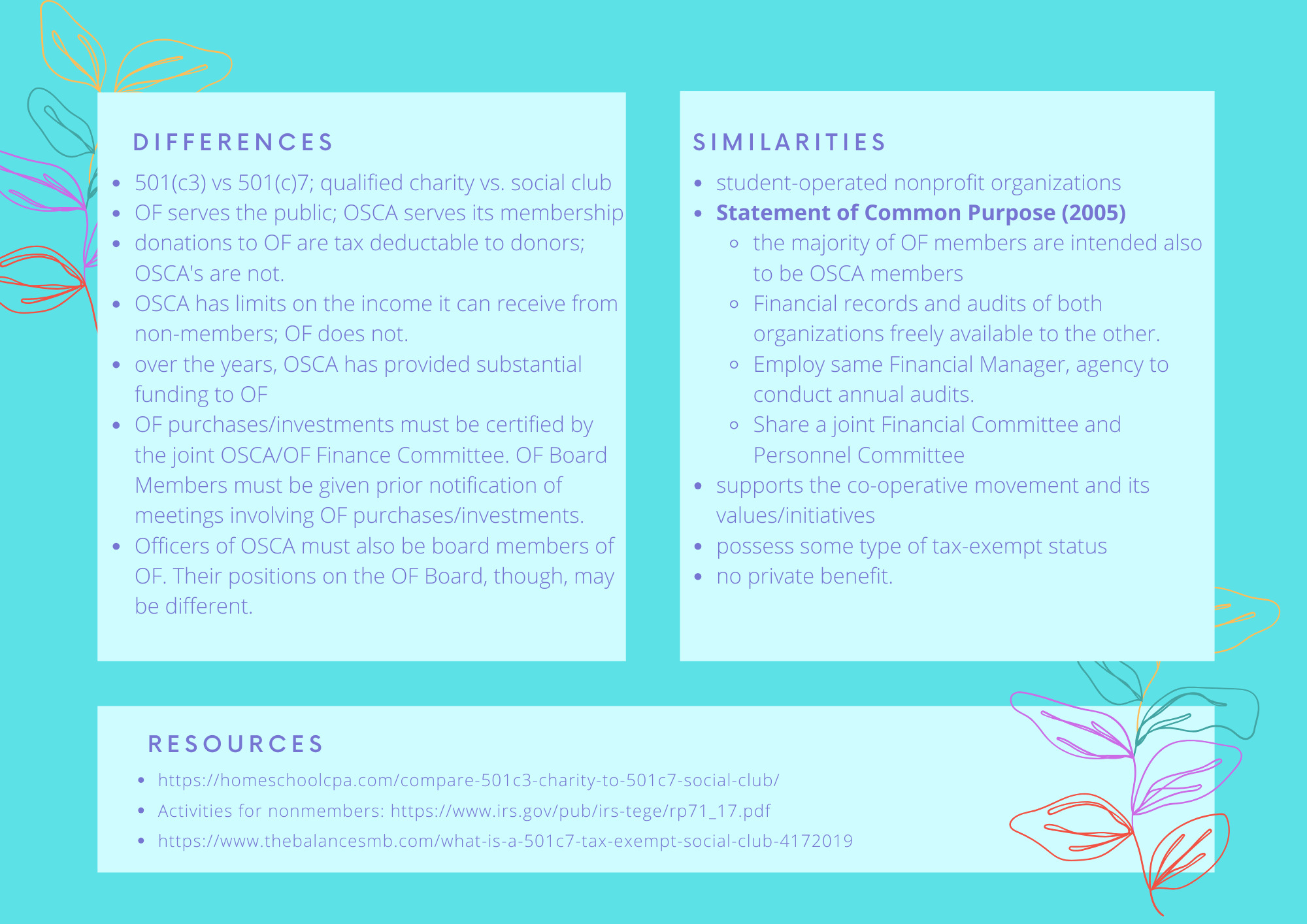
OSCA vs. OSCA Foundation — training deck
Why the co-op and the Foundation are separate legal entities, 501(c)3 vs. 501(c)7, and the governance, tax status, and shared committees between them — translated for student treasurers.
Scroll within to view all 3 slides
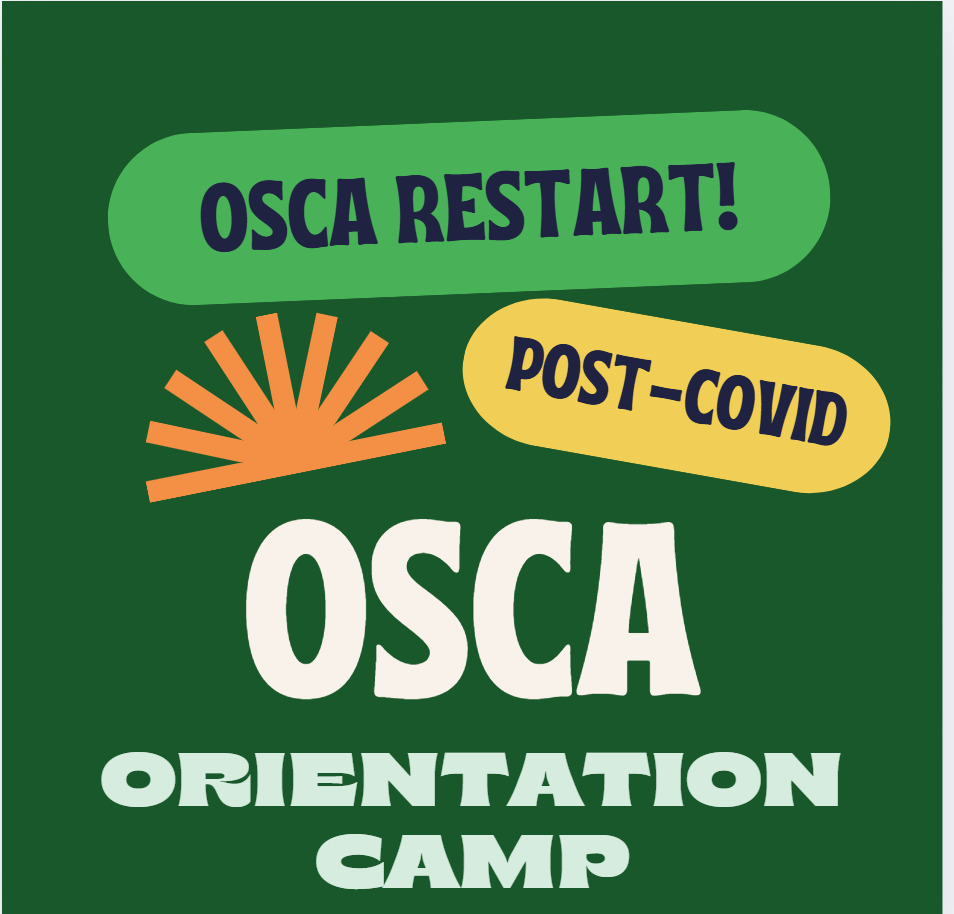
OSCA Restart — orientation camp materials
Branding for the 4-day staff retreat run with our alumni working group to bring staff to a common baseline.
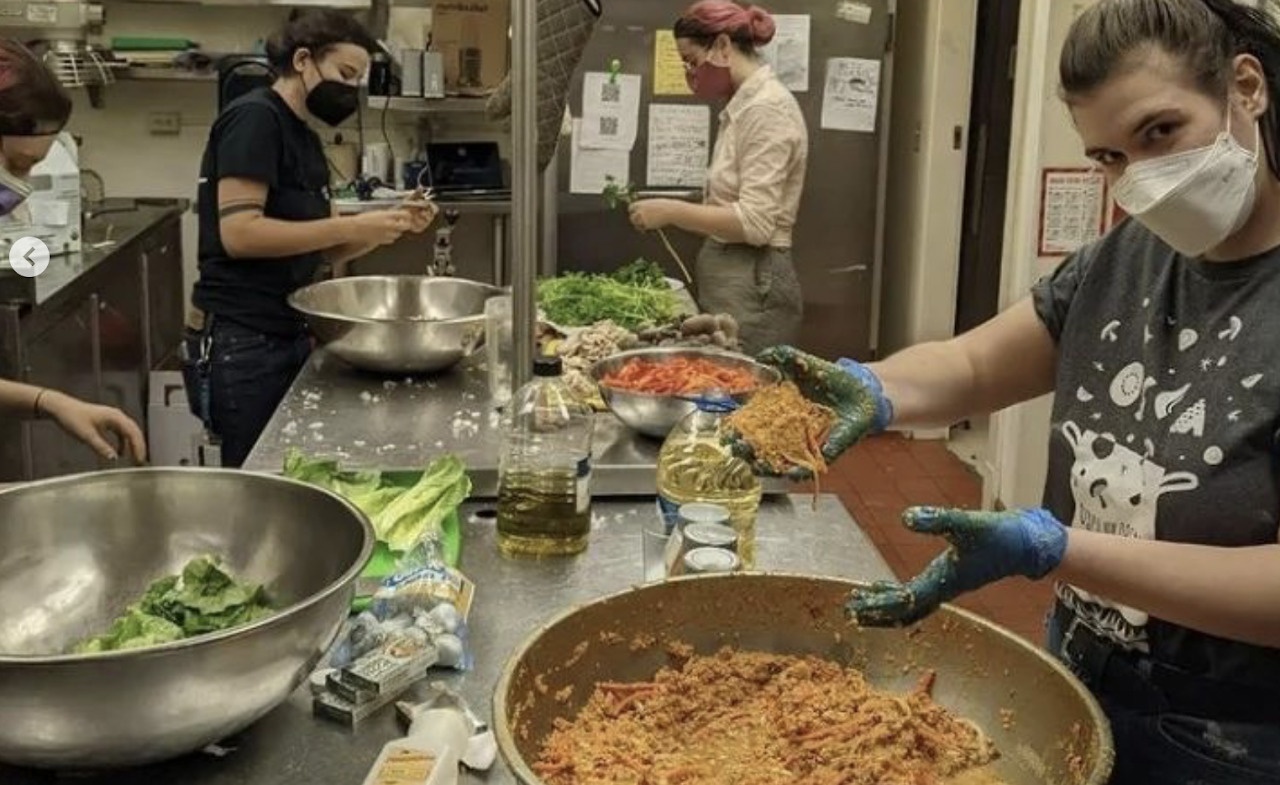
Dining operations during reopening
Volunteer cooks keeping dining cycles running — the work the budget existed to protect.
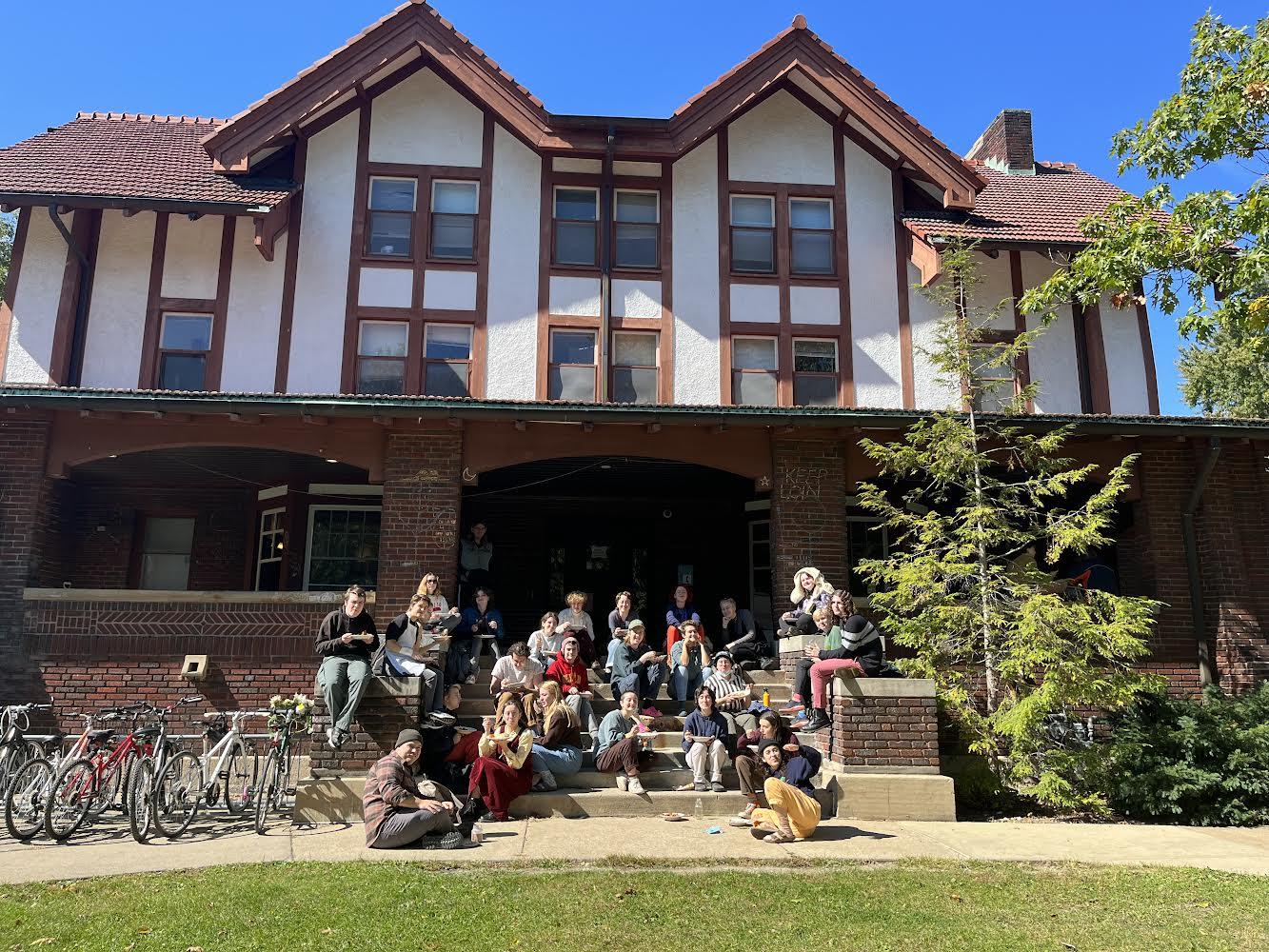
Keep Cottage porch on a lazy Sunday
This picture is of my own co-op, Keep Cottage, at a meal on the porch on a lazy Sunday.